 Germany
 Austria
 Belarus
 Belgium
 Bosnia and Herzegovina
 Bulgaria
 Croatia
 Czech Republik
 Denmark
 Finland
 France
 Georgia
 Great Britain
 Hungary
 Ireland
 Latvia
 Lithuania
 Netherlands
 Poland
 Portugal
 Romania
 Serbia
 Slovakia
 Spain
Spain
 Sweden
 Switzerland
 Ukraine
 Ethiopia
 Ghana
Ghana
 Egypt
Egypt
 Guinea
 Israel
 India
India
 Kazakhstan
 Malaysia
 Singapore
 United Arab Emirates
 Vietnam
 Taiwan
 Philippines
 New Zealand
 Australia
 Canada
 Brazil
 Paraguay
 Uruguay
 Bolivia
 Chile
Chile
 Peru
Peru


Admixtures & Additives
Admixtures & Additives
References
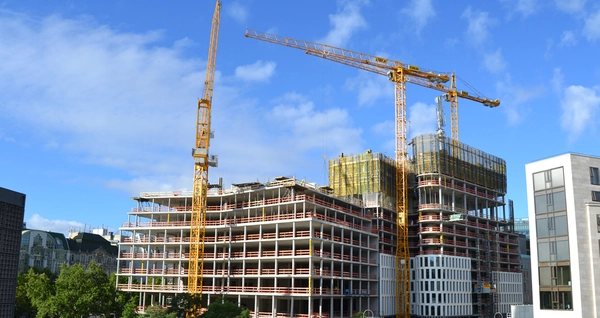
The prestigious Upper West project in Berlin
Berlin - Germany
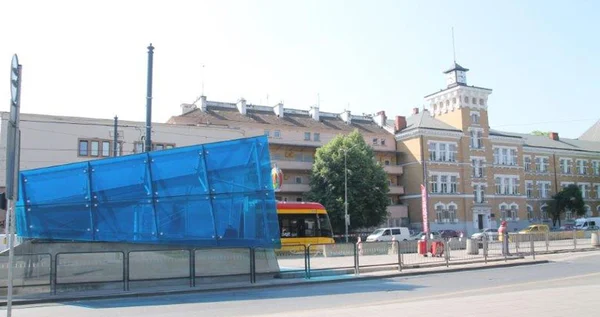
Concrete for Warsaw’s metro
Warsaw - Poland
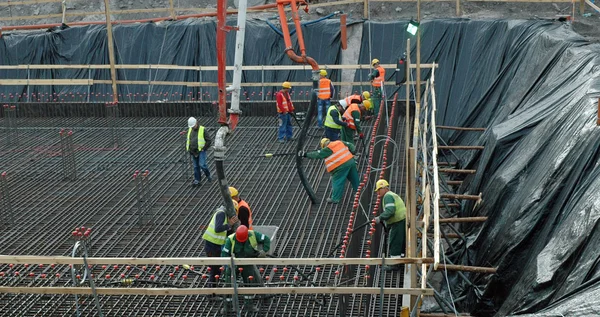
Energy from biogas and wind power in Poland
Stalowa Wola - Poland
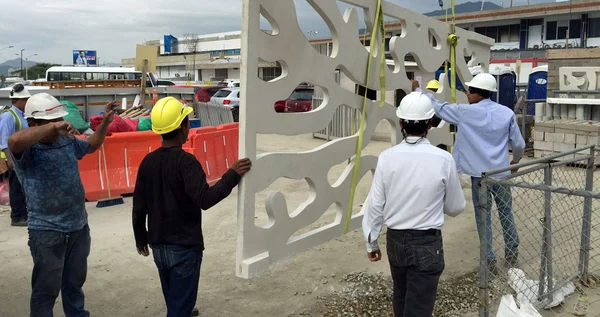
Admixtures for façades of GRC
Santa Marta - Colombia
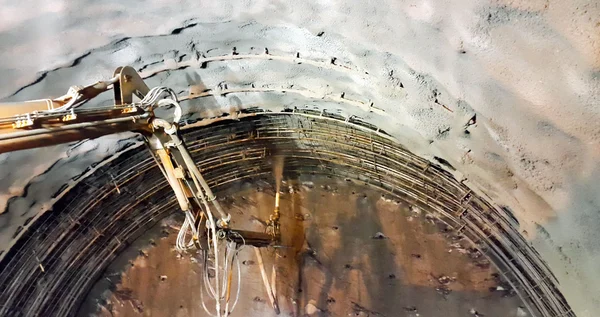
New railway tunnel for increased traffic load
Eastern Carpathian Mountains - Ukraine
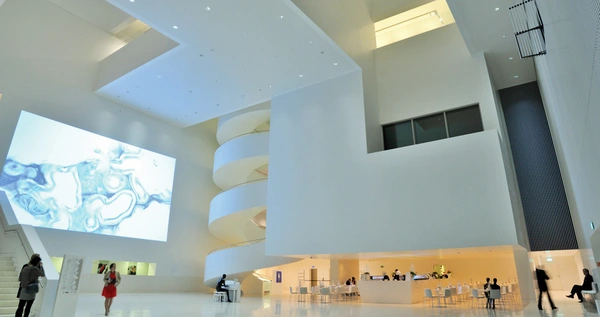
The new Philharmonic in Szczecin
Szczecin - Poland
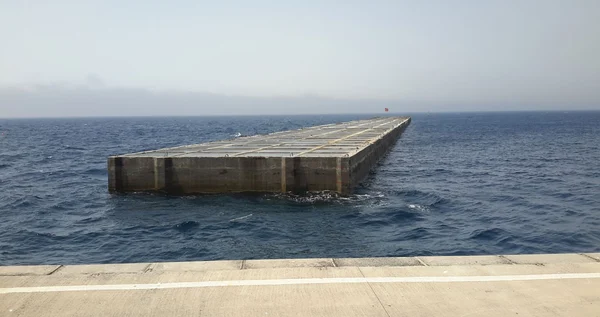
Admixtures for caissons
Lanzarote, Spain
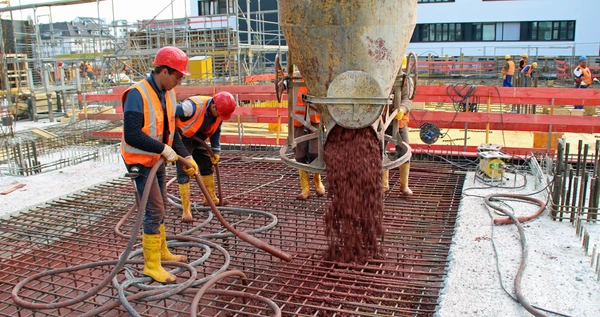
Radiation protection concrete for Klinikum Darmstadt
Darmstadt - Germany
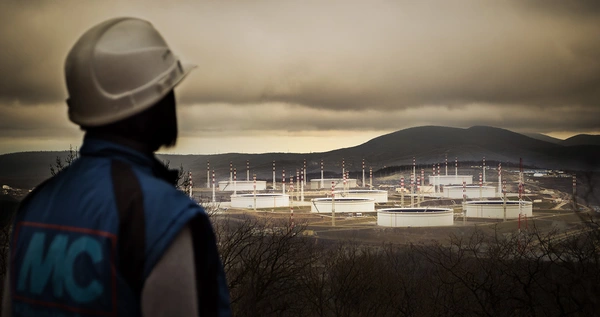
Oil tanks for a major project
Novorossiysk - Russia
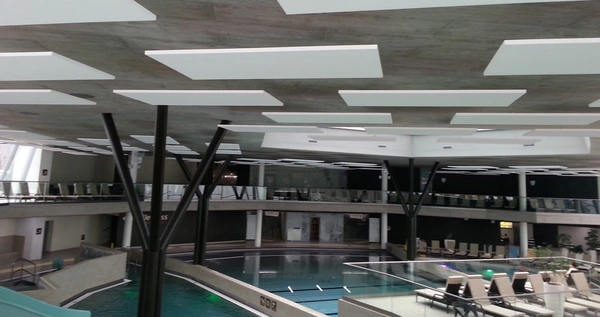
Thermal Park Sirava
Sirava - Slovakia
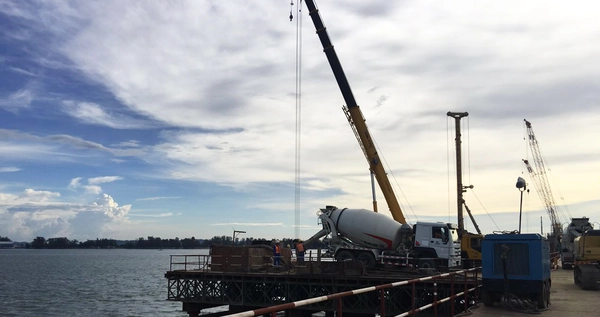
Brunei Bridge
Pulau Muara Besar - Brunei
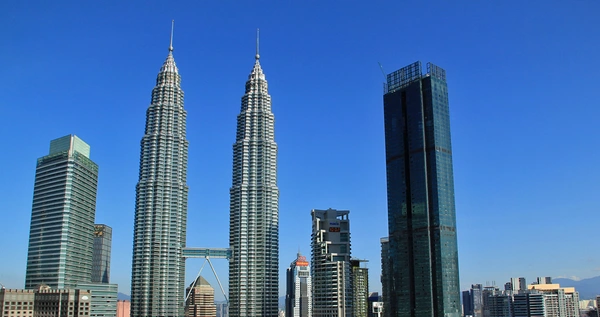
Hitting the heights in Kuala Lumpur
Kuala Lumpur - Malaysia
Challenges & Applications
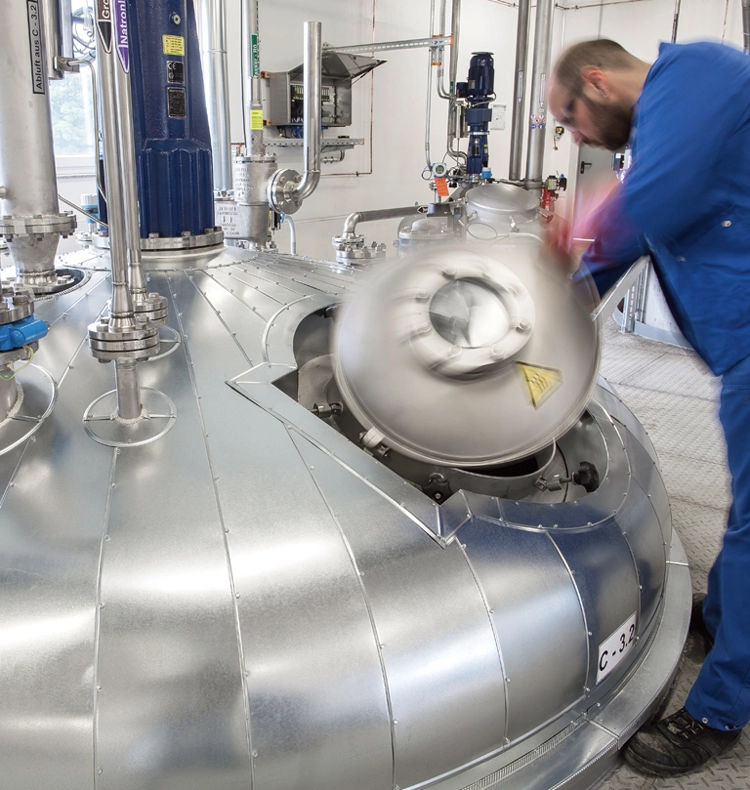
Tailored PCE superplasticisers for high-specification concretes
Superplasticisers based on polycarboxylate ethers (PCE) are essential whenever the application requires a rugged concrete manufactured with a low binding agent content and a low w/c ratio. PCEs are comb-shaped polymers that can be individually adapted as necessary. The negatively charged polymers absorb to the surface of the cement, shifting its surface potential towards more negative values while the side chains create a form of spatial protection. Both properties increase the clearance intervals and mobility of the cement particles in the cement paste of fresh concrete. This leads to significantly higher water reduction and far greater plasticizing than encountered with conventional superplasticizers or plasticisers based on naphthalene or melamine condensates. MC manufactures advanced polymers in-house based on its own patented processes, enabling it to offer a wide range of PCE-based superplasticisers.
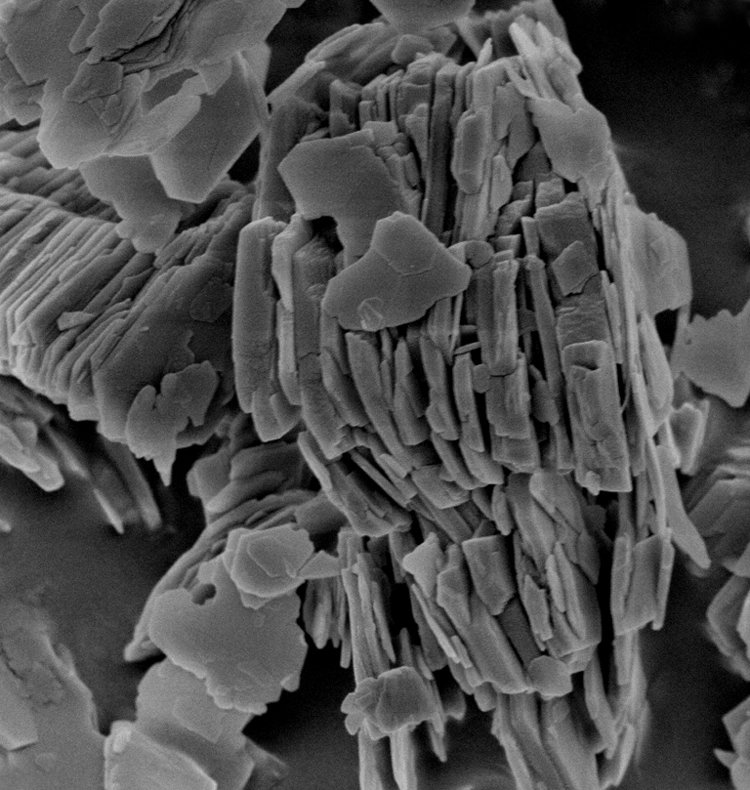
Additives for high-performance and speciality concretes
The performance of conventional concrete additives is limited when it comes to manufacturing high-density, high-durability concretes for, say, thin-walled façade elements or the ultimate in fair-face finishes. However, with the high-quality Centrilit additives from MC, you can significantly exceed the standard requirements specified for these types of concrete. Their pozzolanic properties strengthen the bond zone between the hardened cement paste and the aggregate, while optimising the packing density of the concrete structure down to the micro level. Thus, flexural and compressive strength, density and resistance against contaminating substances are greatly increased, together with the general durability of the concrete component. Further benefits include enhanced quality of surface finish and coloration, combined with a more cost-efficient manufacturing process.